Stretching for CrossFit Performance
Most people stretch before or after workouts, but very few actually understand why they are doing it or which type of stretching is most effective.
In CrossFit training, proper use of dynamic stretching, static stretching, mobility work, and flexibility training can dramatically improve performance, reduce injury risk, and help athletes move better both in workouts and everyday life.
Understanding the difference between range of motion, flexibility, and mobility is essential for both athletes and everyday gym members.
This guide explains:
- The difference between mobility, flexibility, and range of motion
- Static vs dynamic stretching
- When to use each method
- How CrossFit athletes should structure warm-ups and recovery
- Real-world examples of how to apply them
What is Range of Motion?
Range of motion
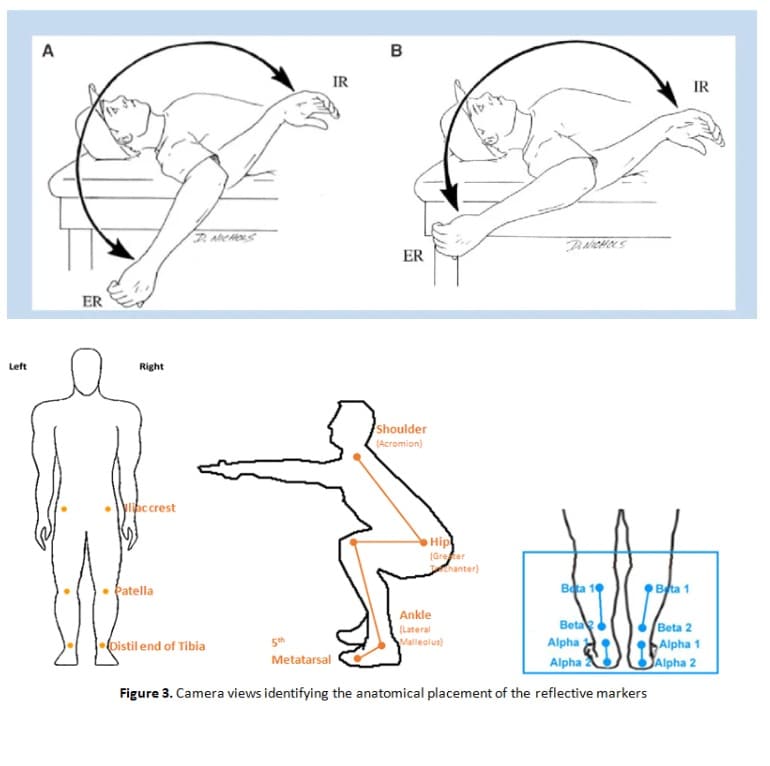

Range of Motion (ROM) refers to the distance and direction a joint can move between its flexed and extended positions.
In simple terms, it describes how far a joint can move.
Examples include:
- How far your ankle can bend during a squat
- How high your shoulder can reach overhead
- How deeply your hips can flex during a deadlift
Each joint has an expected healthy range of motion based on anatomy.
Why Range of Motion Matters
Limited ROM can cause:
- Poor lifting mechanics
- Movement compensations
- Reduced strength and power
- Increased injury risk
For example:
Limited ankle mobility can cause:
- Heels lifting during squats
- Knees collapsing inward
- Excessive forward lean
ROM is essentially the raw movement capacity of a joint.
Flexibility Explained
Flexibility
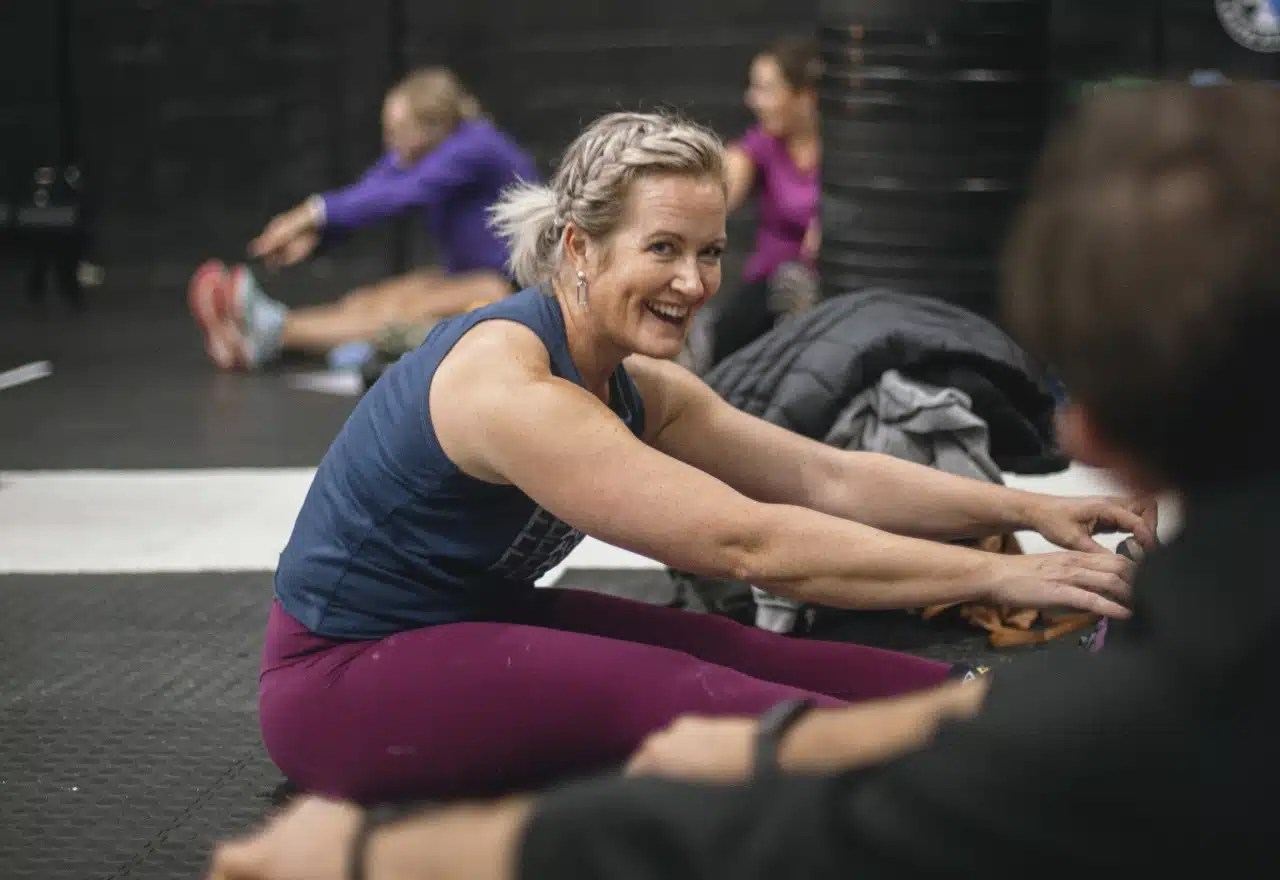
Flexibility refers to the ability of muscles and connective tissues to lengthen.
Unlike mobility, flexibility is mostly passive.
For example:
If someone lifts your leg while you relax and your hamstrings allow the movement, that demonstrates hamstring flexibility.
Important Characteristics
Flexibility is:
- Passive
- Muscle length dependent
- Often improved through static stretching
However, flexibility alone does not guarantee strength or control.
Someone may have flexible hamstrings but still struggle with:
- Squatting
- Deadlifting
- Maintaining posture
Because flexibility without control does not equal mobility.
What is Mobility?
Mobility

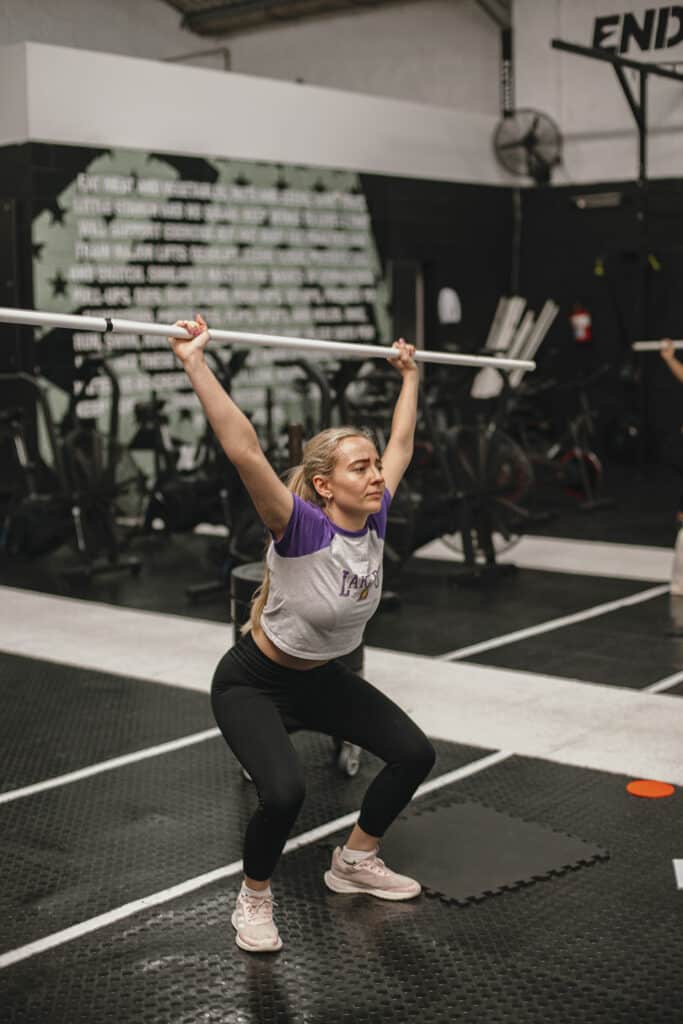
Mobility is the ability to actively control movement through a joint’s full range of motion.
Mobility combines several elements:
- Flexibility
- Strength
- Joint stability
- Neuromuscular control
In simple terms:
Mobility = Flexibility + Strength + Control
Example:
Two athletes may be able to lift their arms overhead.
But only one can:
- Stabilize a barbell overhead
- Maintain core tension
- Control the shoulder under load
That athlete has better shoulder mobility.
Static Stretching

Static stretching involves holding a stretch position for a prolonged period, usually between 20–60 seconds.
The goal is to gradually lengthen muscle tissue and improve flexibility.
Examples of Static Stretches
Common stretches include:
- Hamstring stretch
- Quad stretch
- Calf stretch
- Shoulder stretch
- Hip flexor stretch
Benefits
Static stretching can:
- Improve flexibility
- Reduce muscle tightness
- Promote recovery
- Improve long-term mobility
Best Time to Use Static Stretching
Static stretching is most effective after training or during dedicated mobility sessions.
Research suggests that static stretching immediately before explosive movements may temporarily reduce:
- Power output
- Strength production
- Athletic performance
For this reason, it is not ideal immediately before CrossFit workouts.
Dynamic Stretching
Dynamic Stretches
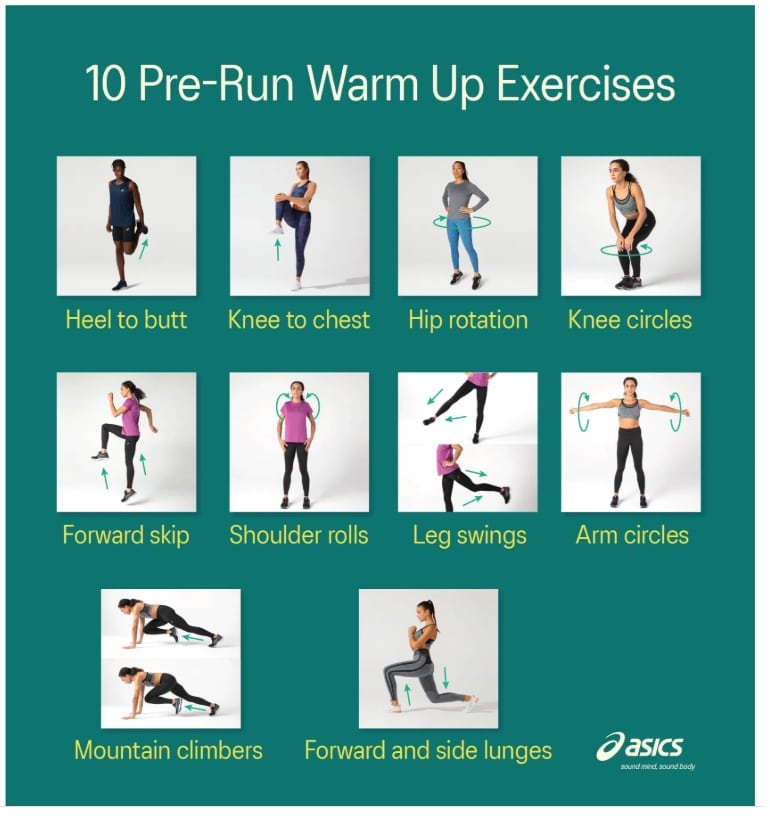
Dynamic stretching involves controlled active movement through a joint’s range of motion.
Instead of holding a stretch, the athlete moves repeatedly through the movement pattern.
Examples
Common dynamic stretches include:
- Leg swings
- Arm circles
- Walking lunges
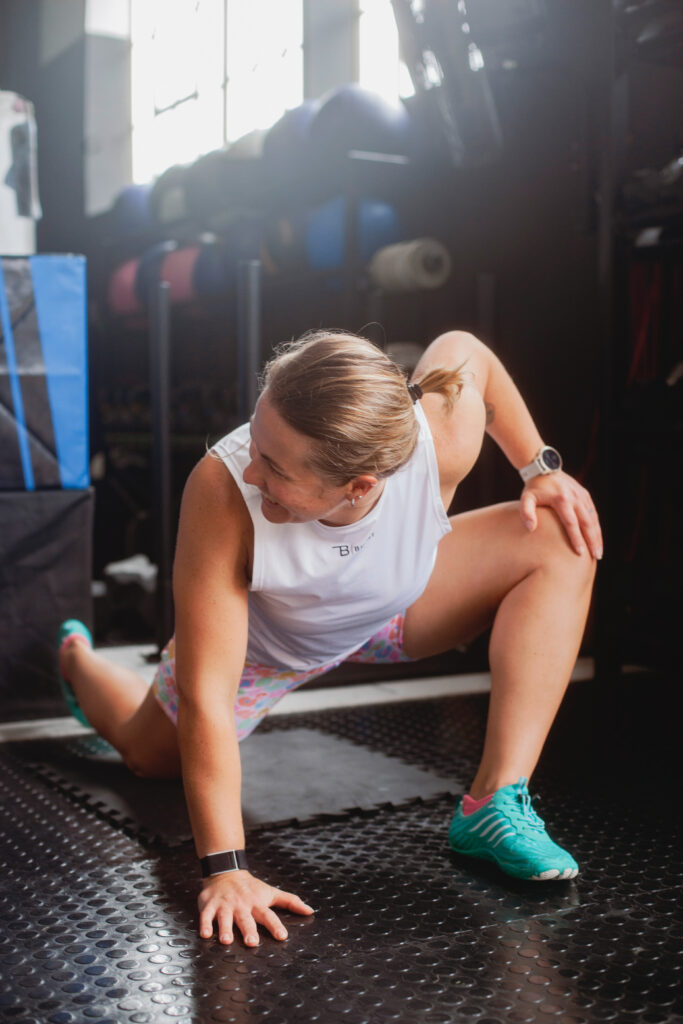
- World’s greatest stretch
- Inch worms
Benefits of Dynamic Stretching
Dynamic stretching helps:
- Increase body temperature
- Activate muscles
- Improve joint lubrication
- Prepare the nervous system
- Improve movement readiness
Because of this, dynamic stretching is the ideal warm-up method before CrossFit workouts.
Why CrossFit Athletes Need Mobility
Squat Variations
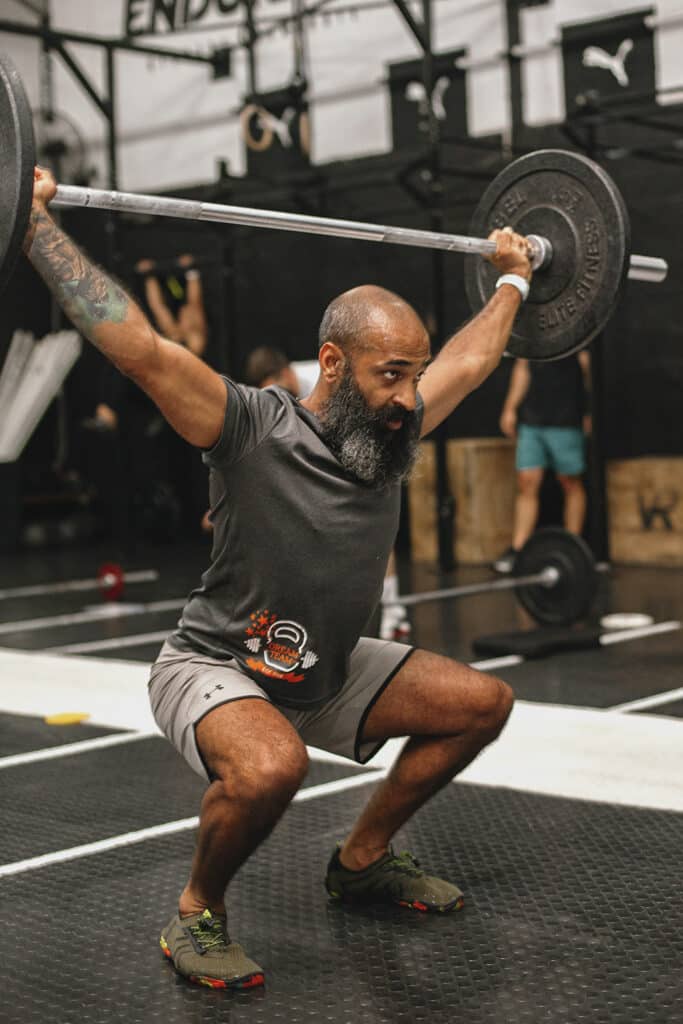


CrossFit movements require large ranges of motion under load.
Examples include:
| Movement | Required Mobility |
|---|---|
| Squat | Ankles, hips |
| Snatch | Shoulders, thoracic spine |
| Clean | Wrists, hips, ankles |
| Pull-ups | Shoulder mobility |
| Overhead squat | Full-body mobility |
Without sufficient mobility athletes often compensate with:
- Rounded lower back
- Knee collapse
- Shoulder impingement
- Poor barbell path
This reduces performance and increases injury risk.
How to Structure Mobility for CrossFit Training
1. Pre-Class Dynamic Warm-Up
Goal: Prepare muscles and joints.
Duration: 5–10 minutes
Examples:
- Leg swings
- Arm circles
- Greatest Stretch
- Banded shoulder activation
- Ankle mobility drills
2. Movement-Specific Mobility
Before technical lifts like:
- Snatch
- Clean
- Overhead squat
Athletes should add targeted drills.
Examples:
- Thoracic spine mobility
- Lat stretches
- Overhead squat holds
- Banded shoulder distractions
3. Post-Workout Static Stretching
After training, muscles are warm and more receptive to stretching.
Recommended stretches:
- Hip flexor stretch
- Hamstring stretch
- Calf stretch
- Pec stretch
Hold each stretch for 20–60 seconds.
Real CrossFit Use Scenario
CrossFit Movements
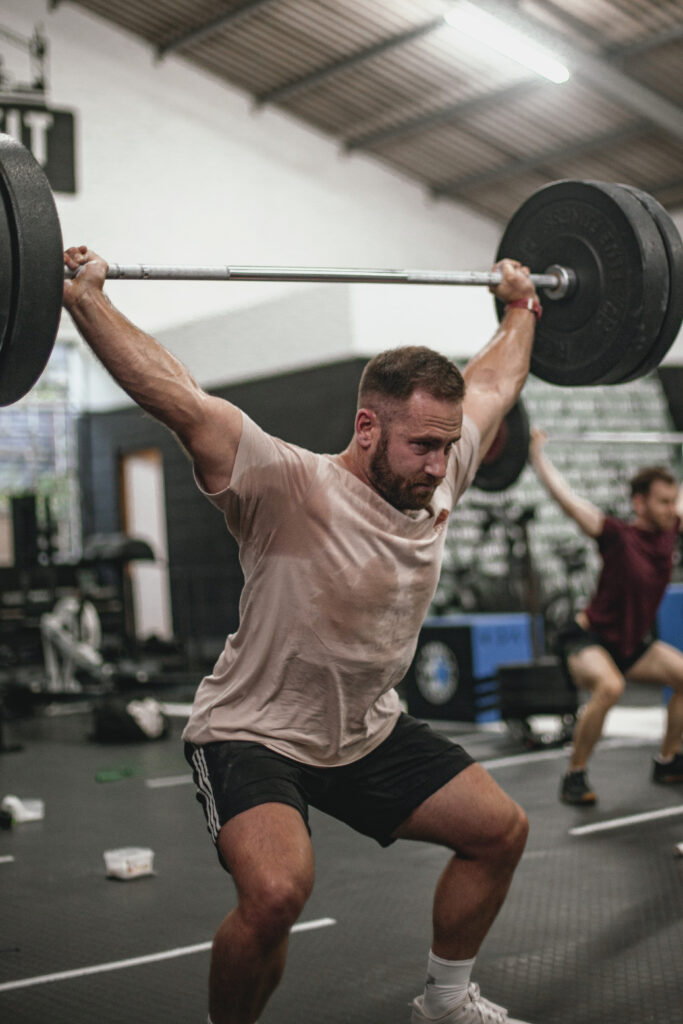
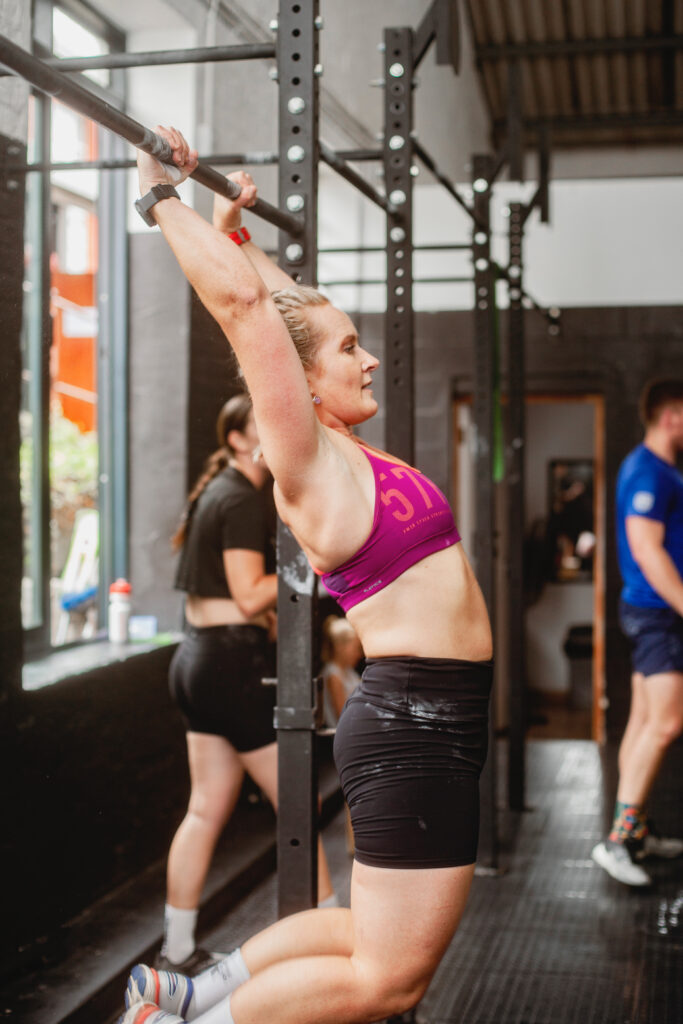

Workout Example:
5 Rounds
- 10 Overhead Squats
- 15 Toes-to-Bar
- 200m Run
Athlete Problem
The athlete struggles with maintaining an upright torso during overhead Squats.
Identified Limitations
- Limited ankle dorsiflexion
- Poor thoracic extension
- Shoulder mobility restrictions
Pre-Workout Mobility
- Knee-to-wall ankle drill
- World’s greatest stretch
- Banded shoulder pass-throughs
- Deep squat hold
Post Workout
Static stretching:
- Lat stretch
- Hip flexor stretch
- Calf stretch
- Pec stretch
Over time this improves:
- squat depth
- barbell stability
- overhead strength
Benefits for Everyday People
Mobility training isn’t only for athletes.
It improves:
- posture
- joint health
- movement efficiency
- injury prevention
- overall quality of life
Examples:
| Activity | Benefit |
|---|---|
| Lifting groceries | Better hip mobility |
| Playing with kids | Better squat depth |
| Desk work | Reduced neck and shoulder tension |
Better mobility means better long-term movement health.
Key Takeaways
Understanding the difference between mobility, flexibility and range of motion helps athletes train smarter.
| Concept | Definition |
|---|---|
| Range of Motion | How far a joint can move |
| Flexibility | Ability of muscles to lengthen |
| Mobility | Ability to control movement through range |
| Stretch Type | Best Time |
|---|---|
| Dynamic Stretching | Before workouts |
| Static Stretching | After workouts |
Combining them correctly improves:
- performance
- movement quality
- injury prevention
- athletic longevity